
Did You Know?

Most online scams start with just one click
Every day, hundreds of Malaysians fall victim to online scams — and it usually starts with a single click. Whether it’s a fake link in a message, a 'lucky draw' post, or a cloned website, scammers rely on that one moment of curiosity or carelessness. According to CyberSecurity Malaysia, phishing remains the most common online threat, making up more than half of all fraud reports in 2024. Once you click a malicious link, attackers can steal login details, install spyware, or redirect you to fake payment pages that look perfectly real.
SaferDaily Tip: Pause before you press. A 3-second habit can save you from months of regret.

Your OTP is worth more than your phone
Scammers no longer need to steal your phone — they just need your OTP (One-Time Password). With that single code, they can drain your e-wallet, access your bank app, or reset your login credentials. In 2024, Malaysian banks reported millions lost to 'tac' scams, where victims unknowingly shared their OTP via fake SMS links or calls pretending to be from the bank.
SaferDaily Tip: Never share your OTP with anyone, not even if the message or caller sounds urgent. Hang up, verify through your official app, and protect your hard-earned money.

Your personal data can sell for hundreds on the dark web
Your personal data — name, IC number, email, and bank details — can be worth far more to criminals than the phone you’re using. On the dark web, stolen 'digital identities' are traded for anywhere between USD100 to USD500 each. Once your data is sold, it can be used for fake loan applications, phishing campaigns, or even identity theft that affects your credit score and financial records.
SaferDaily Tip: Use unique passwords for every major app, and enable two-factor authentication (2FA). Your data is valuable — treat it like cash.

Public Wi-Fi isn’t as free as it looks
Connecting to 'Free Airport Wi-Fi' or 'Cafe Hotspot' might seem harmless, but it could cost you your privacy. Cybercriminals can clone public networks to intercept your login data — a tactic known as a man-in-the-middle attack. Once you connect, they can see what websites you visit, capture passwords, or even inject malware into your device.
SaferDaily Tip: Avoid logging into sensitive apps or making online payments on public Wi-Fi. Use mobile data or a VPN instead — it’s safer than 'free'.

Even fake courier messages can empty your bank account
That 'PosLaju' or 'DHL' SMS saying you missed a delivery? It might not be real. Courier scams are now one of the fastest-rising fraud types in Malaysia, tricking users into clicking fake tracking links. These links lead to phishing sites or malware that capture your banking logins and OTPs. Scammers even copy real company names and logos to make the message look official.
SaferDaily Tip: Check your parcel status only through official apps or websites — never through SMS or chat links. When in doubt, call the courier directly.
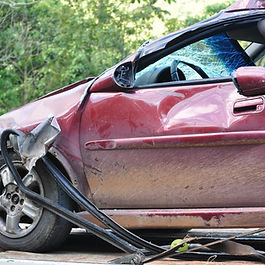
Most car accidents happen within 5 KM of home
Many Malaysians think accidents happen on highways — but data tells a different story. Most crashes occur within just a few kilometres from home, on familiar neighbourhood roads where drivers tend to relax their focus. MIROS (Malaysian Institute of Road Safety Research) notes that human error causes about 80% of all road accidents — and a large share happen during routine short trips.
SaferDaily Tip: Stay alert, even when you’re almost home. The last five minutes of your drive deserve the same focus as the first five.

Tyres lose grip even when they still look new
Your tyres might look fine — but after five years, the rubber hardens and loses traction, even with visible tread. This process, known as tyre ageing, can reduce grip on wet roads and increase your braking distance. But age isn’t the only concern — tread wear matters too. If your tread depth is below 1.6 mm, water can’t escape properly, leading to dangerous skidding or aquaplaning.
SaferDaily Tip: Replace tyres after 5 years or when tread depth falls below 1.6 mm — whichever comes first. Safe grip isn’t about how tyres look, but how they perform.

A seatbelt can save your life — even from the back seat
Many passengers skip seatbelts on short trips or when sitting at the back — but during a crash, an unbelted rear passenger can hit the front seat with the force of a small elephant. Seatbelts aren’t just a law; they’re simple physics. Even at 40 km/h, a sudden stop can throw passengers forward with hundreds of kilos of force.
SaferDaily Tip: Buckle up wherever you sit. A few seconds of effort can save your life — and protect others in the car too.

Bright jackets and helmets make you 37% safer on the road
Motorcyclists make up over 60% of road fatalities in Malaysia, often because they’re simply not seen in time. Wearing bright or reflective gear — especially at dawn, dusk, or in the rain — can make you up to 37% more visible to other drivers. Dark clothing blends into the road, while a reflective vest or helmet stripe can catch headlights from hundreds of metres away.
SaferDaily Tip: Choose visibility over style. A bright jacket or reflective helmet could be the reason you make it home safely.

Most home fires start right in the kitchen
The kitchen may be the heart of your home — but it’s also where most house fires begin. In Malaysia, the Fire and Rescue Department (Bomba) reports that more than half of residential fires are caused by cooking-related accidents or faulty appliances. It usually starts small — a pot left on the stove or a frayed rice cooker cable — and within minutes, smoke turns into flames.
SaferDaily Tip: Never leave cooking unattended. Keep a small fire extinguisher or fire blanket in the kitchen — it’s your first line of defence.

Overloaded sockets cause hundreds of house fires every year
That one extension plug powering your TV, Wi-Fi, and chargers might look harmless — but overloading it can easily spark a fire. Each plug point is designed for a specific load, and when too many high-power appliances share the same socket, heat builds up in the wiring. Over time, insulation melts, leading to short circuits and fires — often at night when everyone’s asleep.
SaferDaily Tip: Avoid using multiple high-wattage devices on one extension cord. If it feels warm, it’s already overloaded — unplug and redistribute.

A 10-minute plan can protect your family during floods
Floods are becoming more frequent across Malaysia, yet many families still have no emergency plan. The truth is, a 10-minute checklist can make all the difference when water starts rising. Keep a waterproof folder for important documents, store emergency contacts, and prepare a grab-and-go bag with torchlights, dry food, and medicine.
SaferDaily Tip: Don’t wait for flood alerts — build your family’s emergency kit now. Planning early means you’ll have one less thing to worry about when every second counts.